Strangely enough, the sport of rallycross was inspired by the epidemic of foot-and-mouth disease which spread throughout England in 1967. That year’s RAC Rally was cancelled at the last minute, which meant that the ITV network hastily set up their own special stage at the nearby Bagshot tank testing ground. The world’s best rally drivers competed over this artificial course, and the television audience loved it.
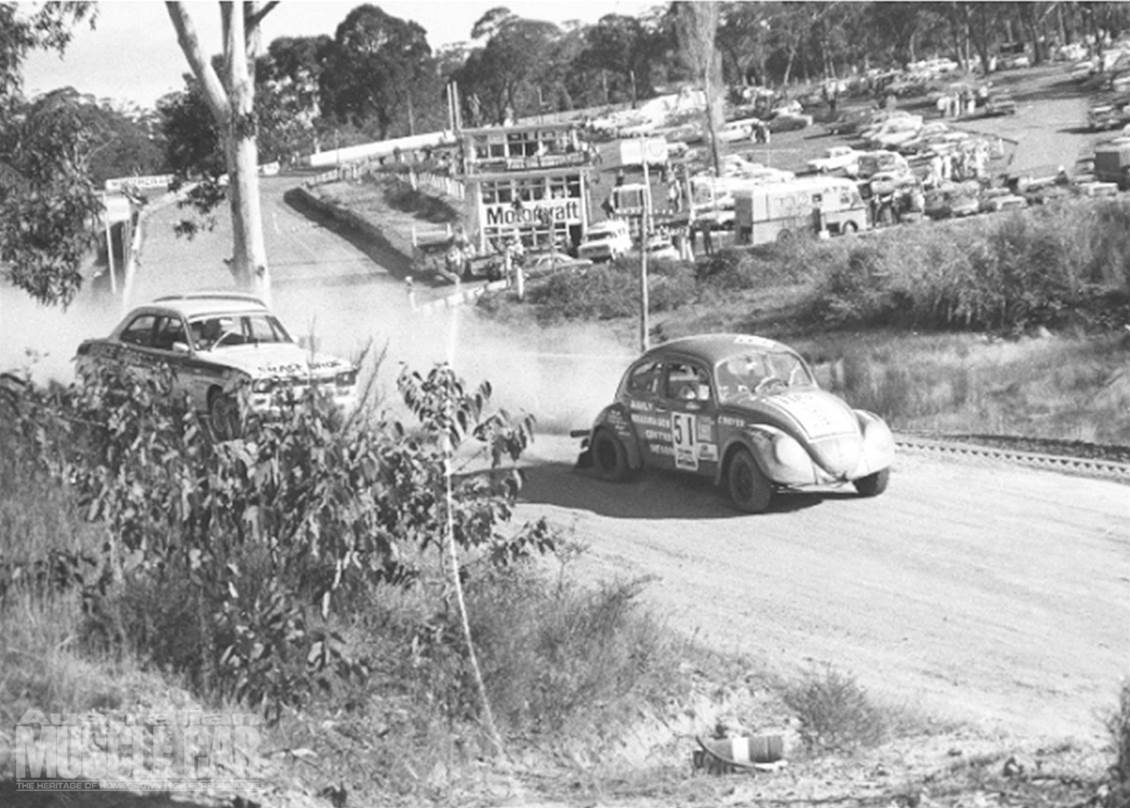
The first Australian event took place at Calder Raceway on (of all days), Melbourne Cup Day in 1969, and was also a success. By 1971, televised rallycross events were also being held at the notoriously foggy Catalina Park circuit in the Blue Mountains.
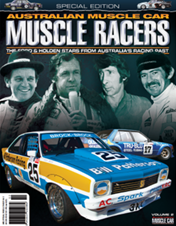
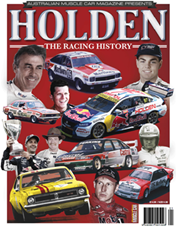
Mud, water, jumps and bumps was the magic formula. Harry Firth, boss of the Holden Dealer Team, was a big fan of this new sport and built up a wild creation known as The Beast for his rising star Peter Brock to drive.
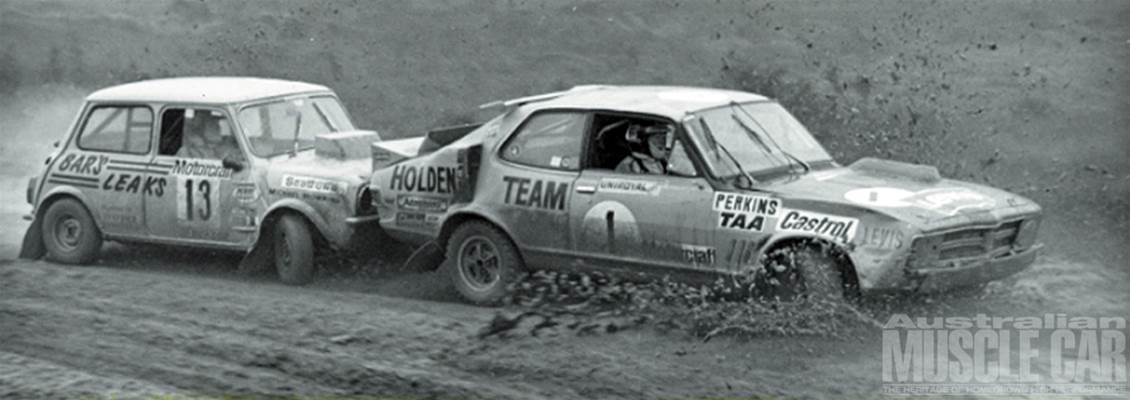
Based on a Torana shell, it was fitted with a supercharged motor pumping out 250 horsepower. The body featured a pair of rear scoops and a rear wing which only seemed to make it fly higher and longer. At a time when Brock had yet to win the big one at Bathurst it was the flying yellow Beast that made him a star.
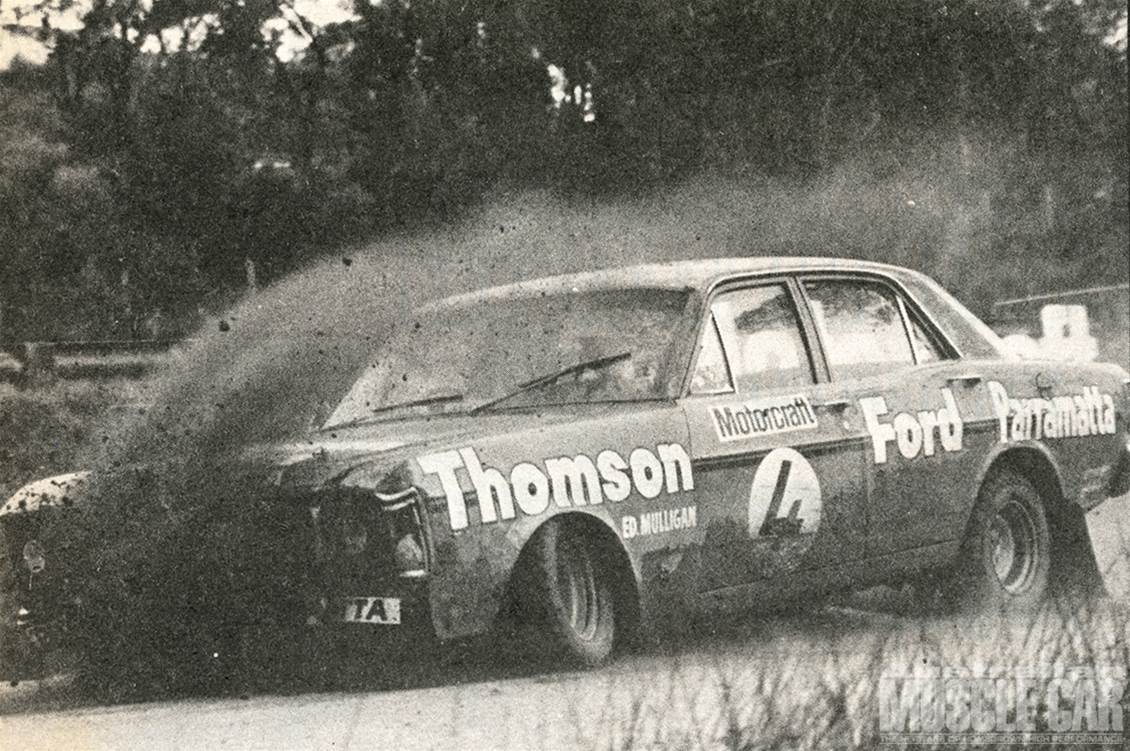
Sydney’s most spectacular was Ed Mulligan who performed miracles at Catalina Park in a red V8 Falcon. Most rallycross drivers favoured lightweight Minis or Volkswagens but it was the likes of Brock and Mulligan in muscle cars who were the main attractions of this short-lived spectacle. Warwick Henderson in a Monaro and Phil Brock in a Charger also deserve Logie awards.


.jpg&q=70&h=226&w=176&c=1&s=1)