
In summary
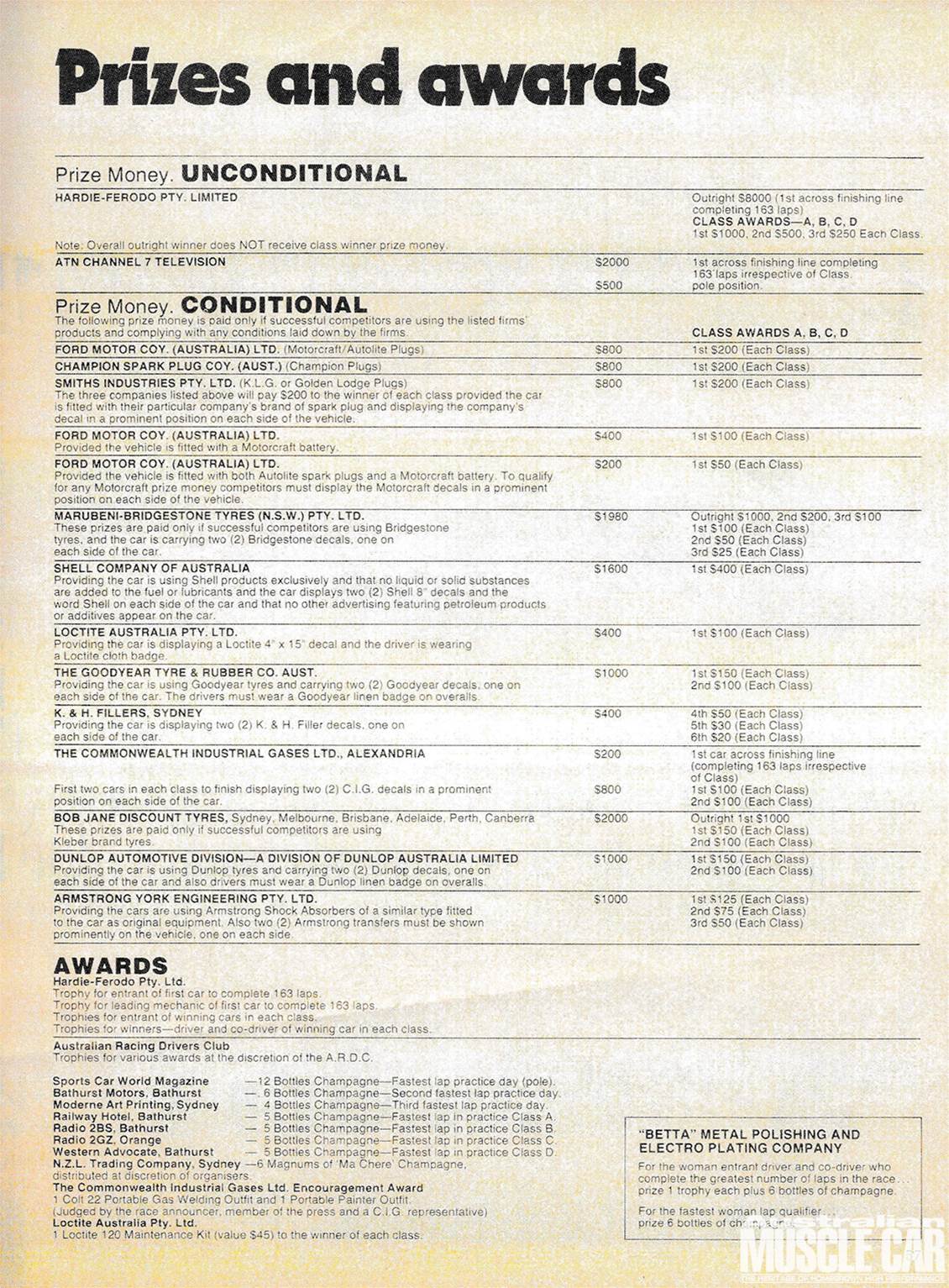
- Many sponsor stickers seen on Bathurst cars back in the day weren't real sponsorships, but were a conditional - they only paid if the car got a result.
- Conditional awards in the '73 race totalled more than $13,000.
- Beyond cash, plenty of champagne was on offer too, including bottles for pole position, and even the highest placed female driver.
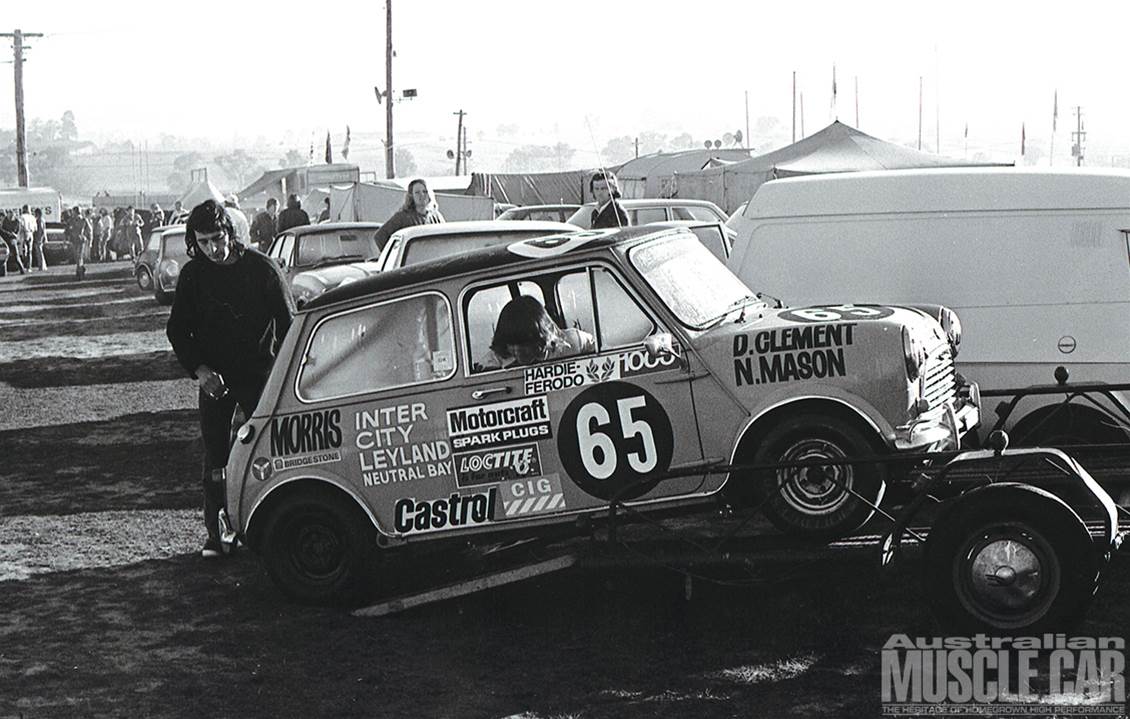
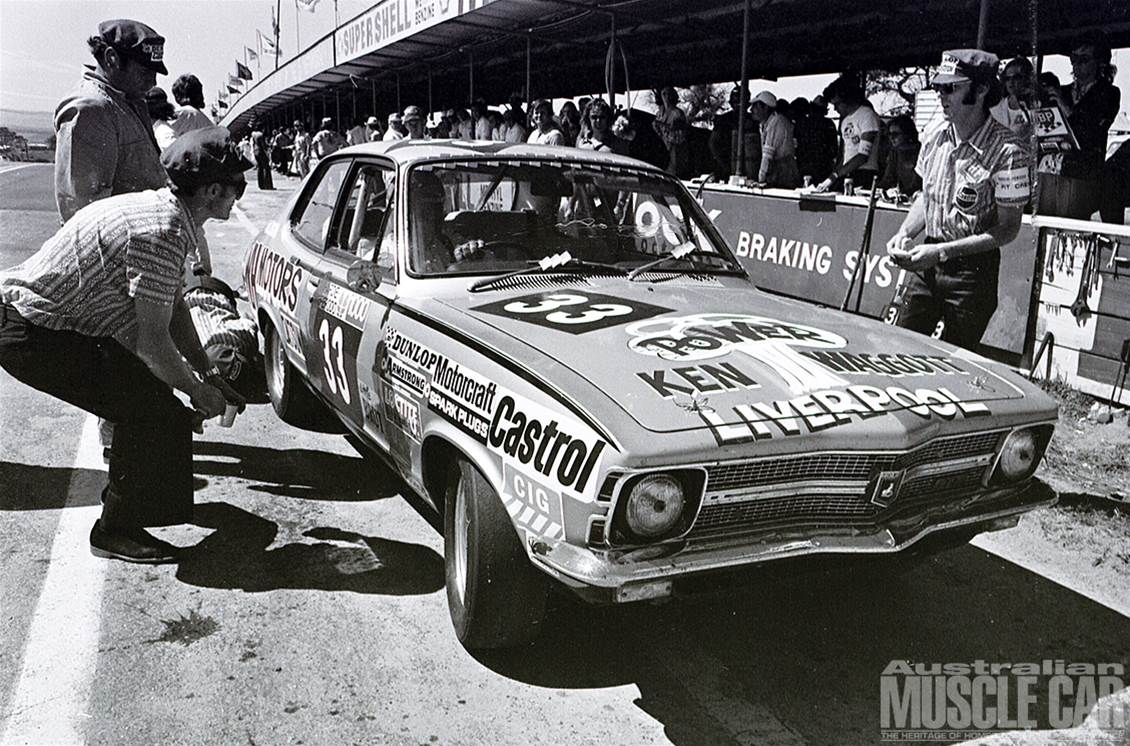
Ever noticed in old photos from the Great Race that some cars are carrying a swag of small sponsor logo stickers that maybe hadn’t been displayed at race meetings earlier in that year? It’s not necessarily because the entrant had been able to attract new sponsors via the lure of Bathurst – although of course for many once-a-year Bathurst warriors back in the day, the ability to get backing for Bathurst (and Bathurst alone) was crucial to their entire racing season.
Most of those additional sponsor stickers at Bathurst weren’t actual sponsorships, however, and instead had been put there in the hope of taking advantage of the ‘conditional’ prizes on offer.
And it was worth chasing, because that conditional cash represented a fair proportion of the overall prize pool. For the ’73 race, while event sponsor Hardie-Ferodo and Channel Seven between them were offering $16,500 spread across the outright winner and top three in each class (Seven also handed out $500 for pole position – which meant poor old John Goss didn’t go home completely empty handed!), the various conditional awards totalled more than $13,000 – a tidy sum half a century ago.
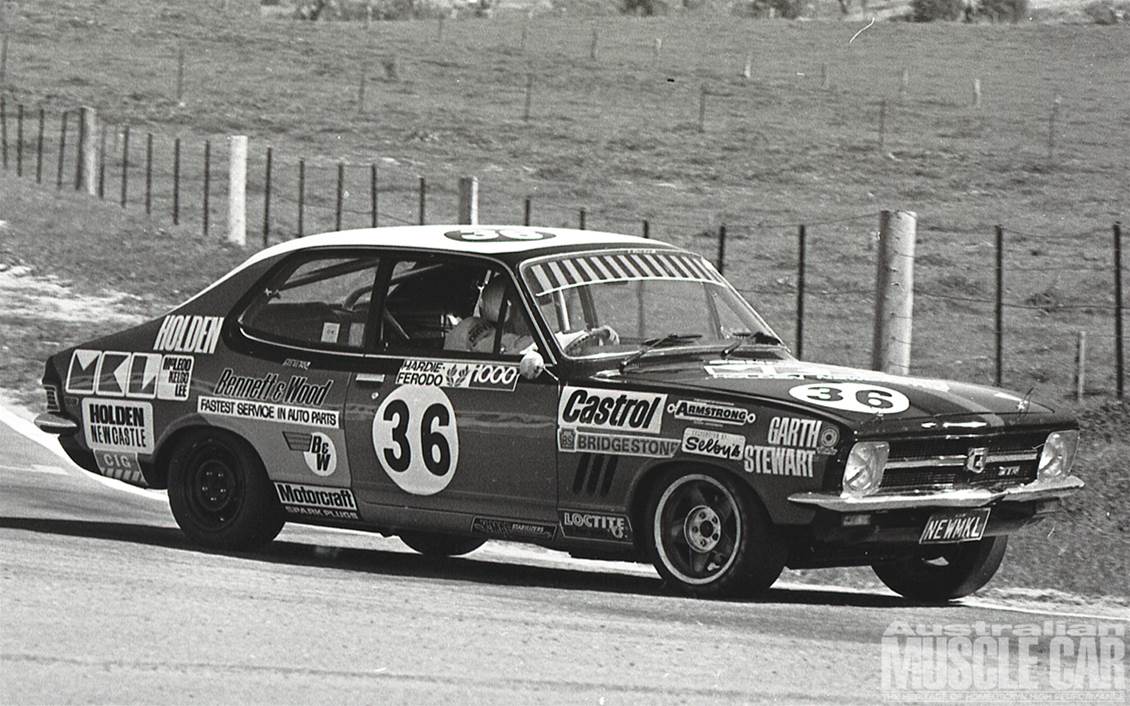
The conditional prizemoney arrangement was a fairly simple deal for the company providing the cash: use our product and run our logo stickers on the car and, if you win or a class placegetter, we’ll pay up.
In a throwback to the origins of the race as a kind of automotive industry event, almost all of the ‘conditional’ sponsors in 1973 were automotive component suppliers or oil companies.
A Bathurst win was the sort of thing a tyre company could really hang its hat on, and so Bridgestone, Dunlop and Goodyear were all offering generous cash awards to winners and placegetters that ran their tyres and their logos (Dunlop and Goodyear also stipulated that the drivers’ racing apparel must have the companies’ corporate badge sewn on).
Four-time Great Race winner Bob Jane uniquely was a starter in the race as well as being a conditional prize sponsor, with Bob Jane Discount Tyres stumping up $2000 for outright and first and second in class (Bob finished fourth with John Harvey in their Torana XU-1, and thus missed out winning back some of his own money by just two positions).
The Ford Motor Company was offering conditional prizemoney to users of its Motorcraft/Autolite brand spark plugs and batteries (which meant Holden runners had a chance of winning some money from Ford), while the event’s founding sponsor from 1960, Armstrong York Engineering, was still there in 1973, putting up $1000 for class winners and placegetters using Armstrong shock absorbers.
And then there was the champagne… Lots of it, too: Sports Car World magazine had brought along no less than a dozen bottles of champers for the pole winner (along with Seven’s $500, it probably helped Gossy drown his sorrows on Sunday night!). The champers awards weren’t ‘conditional’, and rather were mostly for qualifying results (six bottles of champagne from Bathurst Motors for second on the grid; five bottles for fastest qualifier in each class, given out by two local radio stations, the Bathurst Western Advocate newspaper and the Bathurst Railway Hotel).
And from the Betta Metal Polishing and Electroplating Company, a trophy plus six bottles of champagne to the highest placed female driver in the race (which was Caroline O’Shanesy), and the fastest female in qualifying (shared by Christine Cole and Sue Ransom, 24th on the grid and second fastest in Class B in their Alfa GTV 2000).