What some call the greatest international rally in history began at the Crystal Palace, London on Sunday, November 24, 1968, and ended on December 17 at Warwick Farm, Sydney.
The London-Sydney Marathon passed through 11 countries in 11 driving days, covering more than 11,000km over everything from bitumen highways to bush tracks. What surprised the world was the success of the new generation of large V8-engined Australian muscle cars.

Three works Ford Falcon XT GTs were entered and all finished in the top 10. Car 24, with Ian Vaughan heading a crew of three, was third. Bruce Hodgson’s Falcon came sixth and Harry Firth’s came eighth. Ford Australia won the teams' prize.
Also in the race was a three-car Holden Monaro GTS team entered by Sydney’s Daily Telegraph newspaper. Media magnate Sir Frank Packer had read about the event and became co-sponsor with London’s Daily Express. The Packer team was led by David McKay but the car driven by Barry Ferguson was best of the Monaros, finishing a solid 12th.
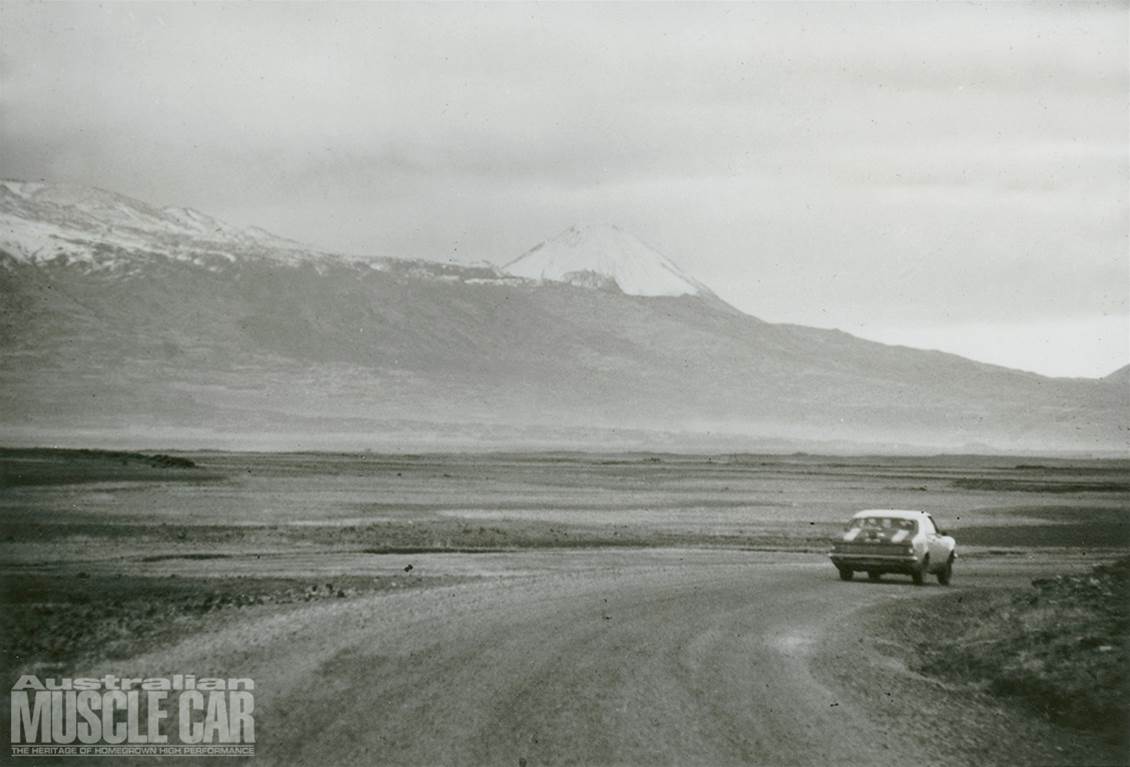
This event attracted maximum coverage, especially the final Australian stages. The crews were in their cars for four days and four nights on the section from Perth to Sydney, passing through the Nullarbor Desert, the Flinders Ranges, Broken Hill and the snow country around Mount Buffalo before ending at Warwick Farm racecourse. The sensational final day, when leader Lucien Bianchi crashed his Citroen into a spectator car near Nowra, resulted in Andrew Cowan cruising to victory in a Hillman Hunter. But what was really impressive was how well the new breed of Australian muscle cars performed.


.jpg&q=70&h=226&w=176&c=1&s=1)