In the early seventies there was so much interest in Australian muscle cars that several new companies tried to enter the scene with low-volume specialist machines.
One project was the Ilinga AF2, launched in 1975 at the Melbourne International Motor Show by Mazda RX3 touring car racer, and manufacturer of Farrell clubman sportscars, Tony Farrell. It was a luxury sports coupe that looked somewhere between a Ferrari and a Torana Hatchback. Featuring a wedge-shaped alloy body the two prototypes were powered by the Leyland P76 V8, although there was a rumour at one stage (unfounded as it turned out) that Perth inventor Ralph Sarich wanted to install his mysterious orbital engine.
Initial plans were to produce 100 cars a year.
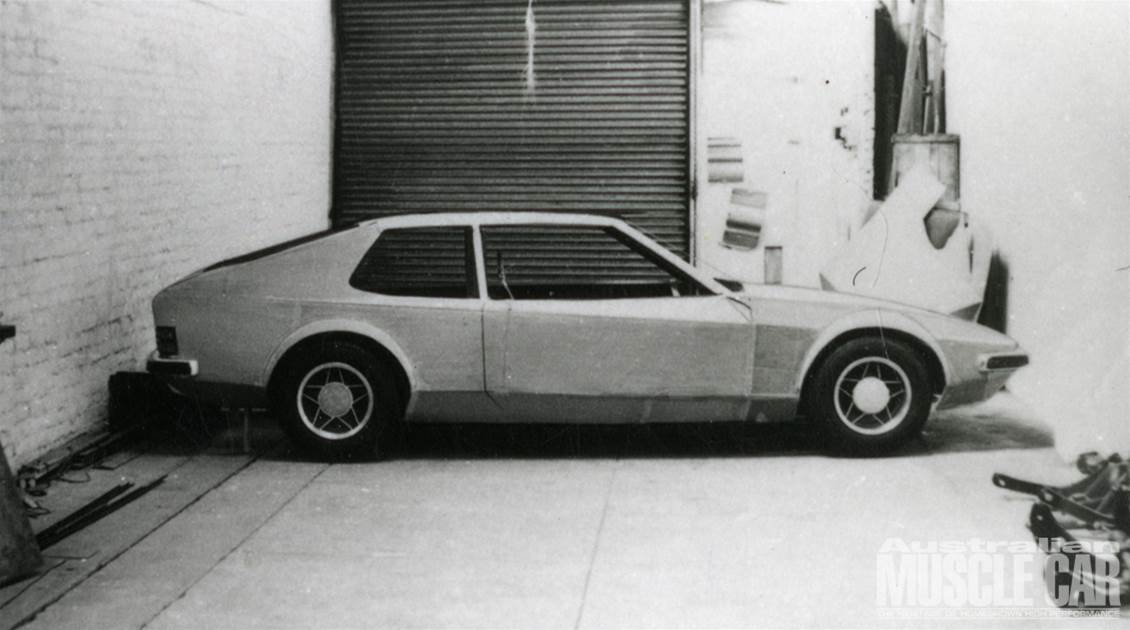
There was considerable interest in the project which was based in an unidentified inner-city Melbourne complex. After spending $200,000 on the two prototypes, and scoring more than its fair share of publicity, the Ilinga project suddenly disappeared. The collapse of the Leyland factory may have had something to do with it.
As motoring writer Pedr Davis wrote a few years later, “The high cost of design must be spread over a production volume far greater than the local market can absorb. Engineering, tooling and development costs have become prohibitive, up to $300 million for a totally new car, from scratch.”
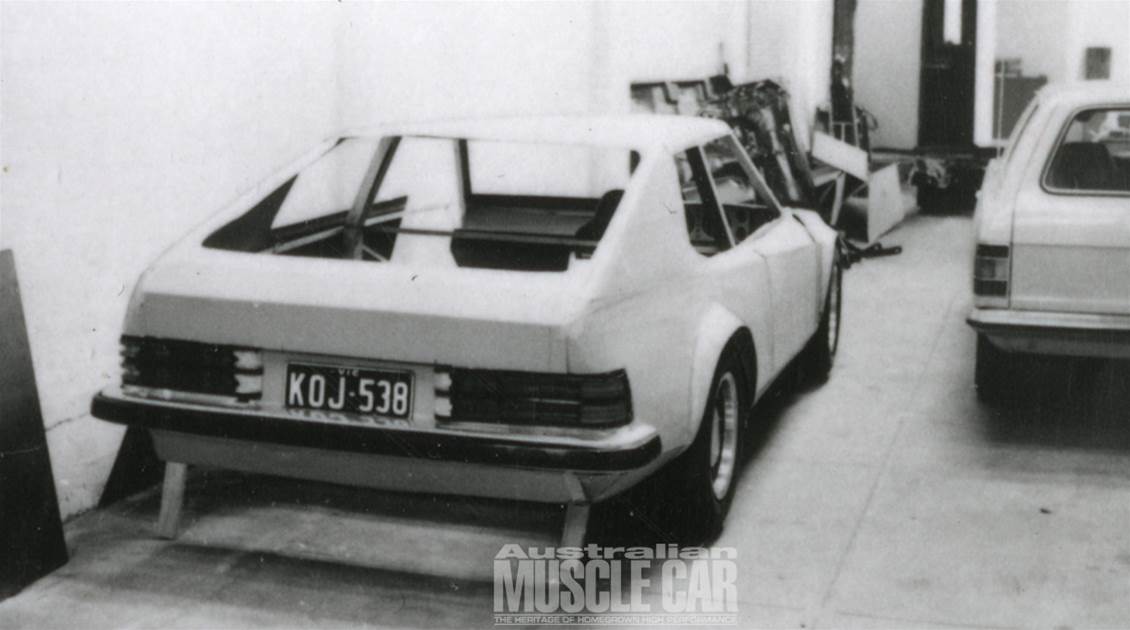
Australian history is littered with similar failed attempts to create an independent muscle car, with the Brock Commodores and the Bolwell Nagari as the main success stories.
WHATEVER HAPPENED TO THE MYSTERE?Also known as the Recaro Torana, the Mystere was another attempt to create a limited production sports coupe. The machine was based on a Torana SS hatchback with bodywork by Arcadipane. Modern Motor magazine gave it a glowing report after a test drive from Melbourne to Sydney but that was about as far as this project went. 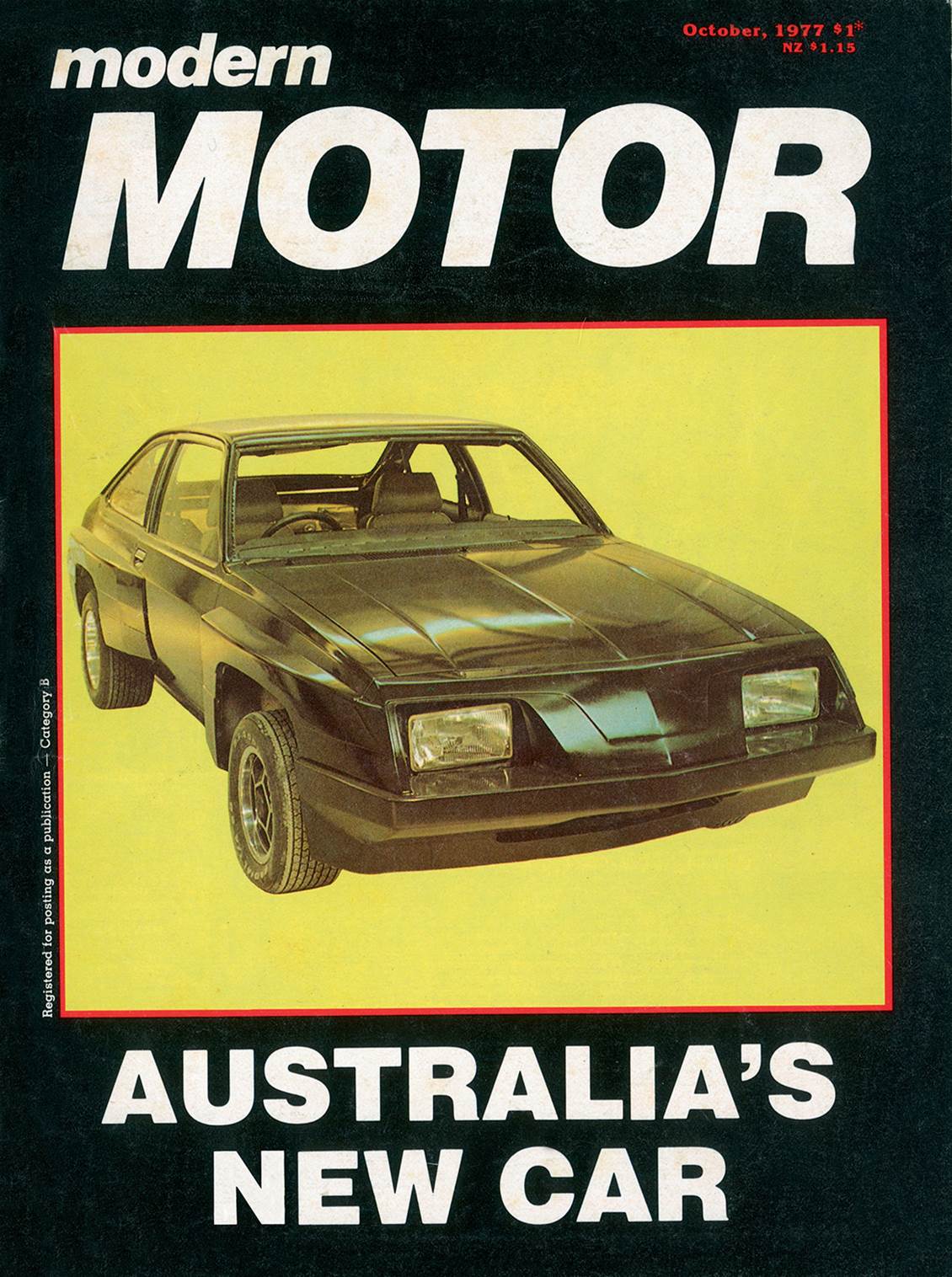 |


.jpg&q=70&h=226&w=176&c=1&s=1)